Relationship Stuff Parts 1-5
https://youtu.be/dY5RvcK7YcM Relationship Stuff Part 3
Relationship Stuff Part 4 https://youtu.be/Cwu7uffSgdo
Relationship Stuff Part 5 https://youtu.be/A7EjbMy4R14
This is a word to the single, the married and to people in general who want to develop and maintain good healthy relationships. To people who need clarity and guidance. To those who have prayed and cried for help. To people who may be stuck in bitterness, unforgiveness, and resentment. Our relationships are important because we are called to advance the Kingdom of God here on earth and the fruit of the spirit through relationship.
My goal is to create meaningful dialogue where we can pause and honestly think about the status of our relationships. Where we can evaluate, accept, change and do better. We are called to be lights, living epistles, ambassadors for Christ and we want to be good representatives of our Lord Jesus Christ. It’s essential that we make time to slow down, reflect, study, grow and improve in the area of relationship.
Although relationships can be challenging at times, we’re supposed to be helpers one to another:
- Relationship where iron sharpens iron.
- Relationship where I am my brother’s keeper.
- Relationship where it is necessary to have healthy boundaries.
This subject can be heavy because of all it involves, the matters of the heart. Relationship touches on so much and there are different degrees of relationship.
The Bible emphasizes the importance of relationship. God’s relationship with man, His covenant and lack of covenant. Nation with nation, kingdom to kingdom, family to family, tribe to tribe, friendships, business to business, parent to child, child to parent, sibling and family relationships, leader to leader, community to community, church relationships, neighbor to neighbor.
Relationships go thru stages, seasons, times and purpose:
- Times of war and times of peace in relationships.
- Time to embrace and time to refrain from embracing.
- Relationship seasons and purpose.
Throughout the Bible it talks about conditions for both improving and ending relationship. We all may wonder at times what is the purpose behind a particular relationship.
Why Even Bother?
We are called to relationship with Jesus and with other people. We are not called to live in isolation or fear of forming connections. Jesus died on the cross to pay the penalty so that we can have eternal and everlasting relationship with God. Sin separated us from God and the price was the shedding of qualified blood. Without the shedding of blood there is no remission or forgiveness of sin. God gave very specific requirements for the blood sacrifice. Jesus is the only One who could ever meet those requirements. The Bible says, for the wages of sin is death but the gift of God is eternal life in (in relationship with) Christ Jesus our Lord. Romans 6:23
Jesus gave Himself in order to have relationship with us. The Blood He shed on the cross was the payment for our sin debt. The wages (cost, penalty) of sin is death. Jesus substitutionary, sacrificial death on the cross was so that we can be forgiven for our sins (past, present, future) and have relationship by being reconciled back to God. Jesus resurrection power allows us the ability to speak resurrection life into our relationships. We ascend and go higher through relationship. God uses man to bless man. God uses people to help people get to the next level.
Jesus Christ is our example for how we navigate relationships. We have to be intentional about our relationships. Whether its parent/child, coworker/employer, business to business, community/neighbor, love interest, marriage partners or the ending of relationship; we want Jesus to be our navigation system. I know relationships produce strong emotions from deep love to utter turmoil.
But they also affect the quality of our lives. We are given one life to live to the glory of God. Healthy relationship building, handling, or dissolving require us to be honest with ourselves. It’s much easier to avoid the discomfort and blame the other person but it requires courage to look within and let the journey begin there. I want us to focus no so much on who is wrong or who is right but on maintaining our relationship that represents who we are in Christ.
Understanding the Why?
As I reflect on all the political upheaval, violence, injustice, discord and blatant hatred that is happening in the U.S. of America (and the nations of the world); it causes me to reflect on Bible end time prophecy and it’s fulfillment. (See Matthew Chapter 7: 21-23) Wars and rumors of wars sounded generalized, distant and far off at a point in my life. However, now it is up front and in our faces daily. The government warring against the people. Neighbors warring against neighbor. Family members warring against family members. The false or confused church warring against the true church. Social media battles.
Think of warring as being in conflict. The Bible describes how God led people into battle, into war, for a purpose. So all relationships are not designed to be harmonious. While it is tempting and sometimes appropriate, block and bye is not always the solution.
We know there are all kinds of relationships. Relationships require defining and categorizing. It is very important that Holy Spirit is directing us in the defining process. By defining, I mean that we have to properly assess relationships and then make a decision about the category any particular relationship belongs in. For example, a person can be considered a friend and yet a friend can feel like close family. A close relative can feel like a distant acquaintance or like an enemy.
Relationships cause us to look outside of ourselves. To consider the next person. To become sacrificial in a sense, sometimes giving up our own comfort. At times, refusing to retaliate because someone has lied on us or misconstrued our character, intentionally. Choosing to forgive and extend grace is a part of the process. And at other times boldly confronting or deciding the relationship has reached its course.
God, who is love, instructs us to love one another. The Bible does not tell us that loving people will always be easy, pleasant, or convenient. I recently heard my Pastor, Tamara Thomas-Lots, say love can be messy sometimes. I have found this to be true. The Bible never told us that relationships would be easy. They can be really tough, sometimes quite painful, and overwhelming.
The Rough and the Tough
Can you imagine, someone purposefully doing everything they can to destroy you. They backbite, steal, lie, betray, distort, and manipulate all for the purpose of hurting you or having a need to express their feelings.
Yet, we are still required to love one another and forgive. Love does not mean supporting people in their destructive patterns or enabling them to live in a lifestyle that’s harmful and displeases God. Love is much deeper than that. Love also corrects and tells the truth. Love also holds people accountable. Dealing with the rough and the tough involves process of forgiveness.
It’s easy for us to create a narrative about someone else, to avoid personal accountability. But the truth will always speak louder than a lie. It may appear that the truth is hidden and suppressed. But there will be a time when the truth will speak, loudly and clear. But that’s not our main focus. Our number one priority is considering how we show up.
I remember a time when some people who I loved dearly were literally backstabbing and scandalizing my name. I’m talking these people had my heart and I love them. Yet they continuously spoke viciously about me. I asked God, do they really think this way about me? How? It’s not possible for them to actually believe the things they are saying about me. I mean they attacked who I am and everything I believed in. I felt so betrayed, hurt and defeated.
A Season, Time and Purpose
I wanted to defend myself. But Holy Spirit instructed me to be still. Do not respond. Do not try to defend yourself. Relationships serve a purpose! In Matthew 5:44 Jesus said, “But I tell you, love your enemies and pray for those who persecute you” (NIV)”. That’s not what I wanted to do. I really wanted to come out blazing with documentation in hand, refuting everything they said about me. I was mad, angry and very upset. But God! The Word of God gives us guidance and instruction. ‘Thy word is a lamp unto my feet and a light unto my path’ Psalm 119:105. ‘Thy word have I hid in mine heart, that I might not sin against thee’. Psalm 119:11.
I was reminded about the purpose of those relationships. Why God had put those people in my life, how it was ordained by Him, for a reason. How it was my assignment to love and pray for them. To always intercede on their behalf because they have a destiny in God. A precious soul. My sincere prayers and declarations was the job that the Lord gave me to do. I didn’t get to check out. But He did give me the grace to endure.
See sometimes the purpose is not about today, the status of the relationship as it is today, or even about you. But for a future season and reason, a future destination or generation. Relationship dynamics run deep and teach us the fruit of the spirit if we are willing to learn and grow into it. This is not an easy process because love can be messy.
Psalm 133 causes me to think about ‘purpose’. Various relationships all serve a purpose. All relationships may not be harmonious but they still serve a purpose. Some relationships are actually lessons to teach us how to love, to obey God, how to forgive, show mercy, provide correction, how to pray, the need to repent and how to ascend. The goal is for us to ascend; to come higher in God. To do better, change, experience growth and improve.
Psalm 133 is a song of ascent, written by David and tells the significance and importance of unity in relationship. What togetherness can produce or reproduce. It describes the joy of harmonious relationships based on brotherly love. “Behold, how good and pleasant it is when brothers dwell in unity!
It is like the precious oil on the head, running down on the beard, on the beard of Aaron, running down on the collar of his robes! It is like the dew of Hermon, which falls on the mountains of Zion! For there the Lord has commanded the blessing, life forevermore. ESV”
The songs (Psalms) of ascent were song as they were on a spiritual journey toward God; ascending higher. Psalms or songs of ascent served as worship, marking the journey to the Temple and focusing on God’s protection and presence. These Psalms were used during the three major annual pilgrimage festivals (Passover, Pentecost, and Tabernacles). They are characterized by themes of hope, trust, joy, and dependence on God for protection during difficult times. (Google.com)
What Season are You In?
We are familiar with purpose and fulfilling our purpose. In navigating relationships we need to know what season we are in. Understanding our seasons can help us with relationships. When we are aware of what the Lord is doing in us, then we can properly categorized relationships. Understanding our season requires personal relationship with God. It requires allowing Holy Spirit to reveal and help you understand your season. Some seasons require preparing to build and building. Other seasons require tearing down some stuff (relationship stuff) and uprooting.
In dealing with people we have to be mindful of Ephesians 6:10-18. You may think that a particular person or group of people are against you however pray and ask God to let you see what is the real deal. Satan is a deceiver and the father of lies. When I was younger I didn’t really understand this. My mother would say, Rhonda consider the source. When Holy Spirit teaches you 2 Corinthians 4:18, in a live environment, you think differently about things.
- “As we look not to the things that are seen but to the things that are unseen. For the things that are seen are transient, but the things that are unseen are eternal. 2 cor 4:18 ESV.
- 18 So we don’t look at the troubles we can see now; rather, we fix our gaze on things that cannot be seen. For the things we see now will soon be gone, but the things we cannot see will last forever. NLT
Relationship can be a vehicle to help us ascend to the place where Jesus wants us to be. A vehicle to transport us into our destiny. Your assignment for a given relationship can be like a bridge to get them, and you, to the assigned destination. So consider the source in relationships. Could it be God? Could the conflict that you are experiencing in relationship be God? The answer is yes it could be the Lord and Jesus is our example. Every difficult relationship does not mean the devil is causing the problem.
I was thinking about Jesus’ relationship and communications with his disciples, followers and the apostles. There are various degrees of relationship and relationship identifying and defining is necessary. There’s levels to this!
For example, Jesus knew that Judas would betray him, and yet. Jesus knew the heart of the Pharisees and Sadducees; he knew his betrayers and yet. Jesus knew Peter, his beloved Peter, would deny him and yet. It’s for God’s plan and will to be done. My former Pastor, the late Bertha M. Girty would say, “Let every experience be a learning experience”. We have to ask ourselves and ask Holy Spirit, about the lessons that relationships bring. A relationship can be a correction or a ladder.
We need Holy Spirit to help us with the defining process. We can be thinking about a particular relationship or group and drawing a conclusion based on our limited understanding. But Holy Spirit and the Word of God will guide us into the truth about a person’s role in our life. Or our purpose in a given relationship.
Relationship Stuff Part 2
This is Part 2 of Relationship Stuff and I want to talk about:
- Clarity in Relationships
- Relationship Types
- Classifications of Relationships
- Marriage and Family
- Friendship and Community
- Communication
- Conflict Resolution
- Problem Solving
- Relationship Stuff to Study in the Bible
Clarity in Relationships
Our relationships must have a good foundation and should flow from our number one relationship: God. I want to use Matthew 6:33 as a foundation for building relationships.
- “But seek ye first the kingdom of God, and his righteousness; and all these things shall be added unto you.” KJV
- “Seek the Kingdom of God[a] above all else, and live righteously, and he will give you everything you need.” NLT
The Message Paraphrase says, 30-33 “If God gives such attention to the appearance of wildflowers—most of which are never even seen—don’t you think he’ll attend to you, take pride in you, do his best for you? What I’m trying to do here is to get you to relax, to not be so preoccupied with getting, so you can respond to God’s giving. People who don’t know God and the way he works fuss over these things, but you know both God and how he works. Steep your life in God-reality, God-initiative, God-provisions. Don’t worry about missing out. You’ll find all your everyday human concerns will be met.” MSG
We need the type of clarity in our relationships that only God can give us. But this starts with us being clear in our relationship with God. In being honest with ourself, first. Going to the Lord sincerely with repentance. Sin, agendas, wrong thinking, being hard hearted and resisting God’s will are barriers.
What is Clarity-
- the quality of transparency or purity. (Oxford)
- the quality of being clear or easily understood, see, or hear
- Spiritual clarity refers to the discernment and understanding of spiritual truths and realities as revealed by God through His Word and the Holy Spirit. It involves the ability to perceive God’s will, recognize His voice, and distinguish between truth and deception in spiritual matters. (Biblehub.com)
Matthew 16:13-18 ESV:When Jesus came into the coasts of Caesarea Philippi, he asked his disciples, saying, Whom do men say that I the Son of man am? 14 And they said, Some say that thou art John the Baptist: some, Elias; and others, Jeremias, or one of the prophets. 15 He saith unto them, But whom say ye that I am? 16 And Simon Peter answered and said, Thou art the Christ, the Son of the living God.
17 And Jesus answered and said unto him, Blessed art thou, Simon Barjona: for flesh and blood hath not revealed it unto thee, but my Father which is in heaven. 18 And I say also unto thee, That thou art Peter, and upon this rock I will build my church; and the gates of hell shall not prevail against it. 19 And I will give unto thee the keys of the kingdom of heaven: and whatsoever thou shalt bind on earth shall be bound in heaven: and whatsoever thou shalt loose on earth shall be loosed in heaven.
Now, this is loaded but it gives clarity to the relationship. Peter got the defining revelation and Jesus responded accordingly. There’s so much here but I want to highlight ‘keys’. With natural relationships, do we just give our keys to anybody. We protect our keys and access is very limited or should be. It is the same way with relationship with others. Would you give the keys to your heart to just anybody? I hope not.
This could be an entire series but Jesus is our example of how to navigate and conduct ourselves in relationship, both the good and the bad with clarity. Not with confusion. We are not called to be in relationship with everyone/anyone. God is strategic and so is the devil so we need understanding and discernment in this area. We must safeguard our hearts and maintain healthy boundaries.
We also need to accept people for who they are and accept our need to introspect. Never ignore patterns in our life. We have to use our ‘keys’ and understand who can access which key. When you take your car to the mechanic, you only give the mechanic the key that fits our vehicle. You wouldn’t give the mechanic the key to vehicle, house, and safe. You have to determine through prayer and seeking God, Does the key fit the relationship. The Word of God is our Key, both the written word and the rhema Holy Spirit given Word of the Lord. We have to learn to partner our relationships with the Word. To view them through a Biblical lens that will give us the view that we need. Our own words can be a key.
Relationships are important and we shouldn’t take them for granted. The Bible expresses how essential our relationships are.
“In the Bible , relationship is vital because humans are created in God’s image to exist in communion with Him and others, reflecting His love and unity. It is deemed essential for spiritual growth, accountability (“iron sharpening iron”), providing mutual support, and displaying Christ-like love through forgiveness and kindness.
Key reasons for the importance of relationships in the Bible:
- Reflection of God’s Nature: Because God is Trinity (Father, Son, Holy Spirit) and relational, humans are designed to reflect His image through loving connections.
- Combatting Isolation: God explicitly stated that it is “not good for the man to be alone,” establishing that humans are created for companionship and community.
- Spiritual Growth and Accountability: Healthy, Christ-centered relationships sharpen individuals, encourage spiritual maturity, and provide support, as shown in Proverb 27:17.
- Evidence of Discipleship: Jesus commanded love for one another as the primary identifier of His followers (John 13:34-35).
- Context for Mission and Growth: Relationships are the context for discipling others, teaching, and showing God’s love to the world.
- Support and Practicality: Relationships provide tangible help, comfort, and strength, exemplified by Ecclesiastes 4:9-12 (“Two are better than one”). (Google.com)
If you find yourself:
- Desiring healthy relationships
- In constant conflict, confused, in turmoil
- Lonely and feeling defeated
- Single and hopeless
- Married and miserable
- In unhealthy, abusive or toxic relationships
- Bitter and unforgiving
- Fearful of losing a relationship
- Feeling the need to control
- Wanting to maintain a great relationship
I didn’t know this was going to be so layered and loaded but we need to make relationship awareness a priority. Dealing with our relationship issues involves putting the work in. You will only get out what you put in. How can we expect a return on investment if nothing has been invested. This is not the season to be lazy or complacent regarding relationship.
It’s not the time to take relationships for granted or to assume it’s business as usual. I am experiencing a range of emotions as I write this inspired message. God is concerned about our relationship status. Are we being good stewards over our relationships.
Think about it, we could be praying for a future husband or wife while at the same time neglecting other important relationships. Praying for a best friend, while ignoring the friends God has already placed in our lives. Preaching to others about their relationship with God, while unaware that we are drifting away from our own relationship with God.
Praying for healing while at the same time judging and speaking junk about the people God has placed in your life to pray you through the healing process. Praying for business, growth and success, while at the same time putting our mouth on someone else’s business. Praying for God to bless our ministry while at the same time, gossiping and speaking bad about someone else’s ministry. Praying for financial increase, while at the same time refusing to pay your tithes as God instructed. Wanting to go forth in your gifting, while at the same time being jealous of someone else’s gifting. Praying for God to anoint you, while at the same time you refuse to honor those whom God has already placed in your life to equip you.
Looking in people’s eyes while smiling and assuring them you are with them and for them, while at the same time….you sit on your bed at night and criticize them to others. Calling out the next person’s nasty ways, while at the same time you are full of bitterness and unforgiveness. Repent! (Study Psalm 51)
We want our relationships to bear fruit. We want them to bring forth good fruit. When you are ready to actively participate in the process and work on your relationships, PRAY! Prayer is the key and faith unlocks the door. You don’t have to pray like others or feel that your prayers are inadequate. Prayer begins with your personal relationship with Jesus. Spend time talking with, listening and sharing what is on your mind. Talk to Jesus like He’s your best friend. Be real.
Everything will flow from this relationship. Pray in agreement with God’s Word. This requires us to read, study and meditate. Study Scripture as your priority. The answers that you need are in the Word of God. When the student is ready—-the Teacher (Holy Spirit) will appear to help you. But you must be honest with yourself and do the work. Mix your faith with your action and watch God work on your behalf.
God is concerned about you and your relationships. God has called you to peace!
We were created with unity in mind. To live in unified collaboration with one another. To love one another. To be patient with each other. To develop the fruit of the spirit and help, support, correct and care for one another. We need to become intentional in our self-evaluation of relationships. We often see clearly someone else’s shortcomings and faults. Their stuff is so clear. But can we self-evaluate us.
While preparing this message, I didn’t realize just how personal and helpful it would be to me, specifically at this time in my life.
I want to talk about a few types of relationships and the importance of communication. The Goal: Our relationship goals are to heal, develop, maintain, and sustain harmonious relationships as we are on a journey of ascending. Where God is glorified in all the areas of our life. Where we are true ambassadors for Jesus.
Relationship Types
(Retrieved. Google.com Types of Relationships and Communication)
Key Relationship Types and Categories: Google.com
- Romantic: Involves romantic or sexual attraction.
- Platonic/Friendship: Non-romantic, non-sexual connections based on mutual affection and shared interests.
- Familial: Relationships with relatives, including parents, children, and siblings.
- Casual/Situational: Low-commitment connections, including casual dating or acquaintances.
- Professional: Connections based on work or business, such as with colleagues, employers, or clients.
- Codependent: An unhealthy, imbalanced relationship where one person enables the other’s dependency.
- Digital/Online: Friendships or romances maintained entirely over the internet.
- Long-Distance: Committed, romantic, or friendly relationships separated by significant geographical distance.
Functional & Psychological Classifications:
- Attachment Styles: Secure, anxious-preoccupied, dismissive-avoidant, and fearful-avoidant.
- Couples Types (Gottman): Validating, volatile, conflict-avoiding, hostile, and hostile-detached.
- Types of Love (Greek): Eros (romantic), Philia (friendship), Storge (familial), Ludus (playful), Agape (universal), and Pragma (enduring).
Marriage and Family
Amos 3:3 Can two people walk together without agreeing on the direction? NLT.
The Bible teaches that relationships, especially marriage, should be founded on selfless, sacrificial love (agape), characterized by patience, kindness, forgiveness, and mutual respect, reflecting Christ’s love for the Church (1 Corinthians 13, Ephesians 5). Key principles include loving God and your neighbor as yourself, bearing with one another, building each other up (1 Peter 4:8, 1 Thessalonians 5:11), and for marriage, becoming “one flesh” with commitment and leaving family (Genesis 2:24).
Core Principles
- Love as the Foundation: The greatest commandment is to love God and love your neighbor as yourself (Matthew 22:39).
- Christ-like Love: Love should be patient, kind, not envious, not proud, not self-seeking, and rejoice with the truth (1 Corinthians 13:4-7).
- Forgiveness & Grace: Be kind and forgiving to one another, as God forgave you in Christ (Ephesians 4:32).
- Mutual Support: Encourage and build each other up, serving one another in love (Galatians 5:13, 1 Thessalonians 5:11).
- Honesty & Accountability: Speak the truth in love and help restore those who fall into sin (Ephesians 4:15, Galatians 6:1).
- One Flesh: Marriage is a sacred union where a man leaves his parents to become one with his wife (Genesis 2:24).
- Husbands & Wives: Husbands should love their wives sacrificially, as Christ loved the Church, and wives should respect their husbands (Ephesians 5:25-33).
- Companionship: God created humans for relationship, seeing it as not good for man to be alone (Genesis 2:18).
Friendship & Community
- Loyalty: A true friend loves at all times, and a friend can be a source of strength in hardship (Proverbs 17:17).
- Sharpening: Friends help each other grow, like iron sharpening iron (Proverbs 27:17).
- Peace & Harmony: Live at peace with everyone as much as possible (Romans 12:18).
Key Verses
- 1 Corinthians 13:4-7: The famous “love” chapter.
- Ephesians 5:21-33: Guidance for mutual submission and marital love.
- John 13:34: “Love one another as I have loved you”.
- Proverbs 27:17: “As iron sharpens iron, so a friend sharpens a friend”.
If you find yourself here:
- Desiring healthy relationships
- In constant conflict, confused, in turmoil, and needing clarity
- Lonely and feeling defeated
- Single and hopeless
- Married and miserable
- In unhealthy, abusive or toxic relationships
- Fearful of losing a relationship
- Feeling the need to control
- Wanting to maintain a great relationship
- Needing to dissolve a relationship
- Looking for Healing
It’s time to grow. Humans develop, grow, mature and evolve. We are created with ascension in mind. God said be fruitful and multiply, replenish the earth and take dominion. When we find ourselves in the above areas it is an indication that we need to grow, mature in the Word so that we can have dominion in these areas. Ephesians Chapter 4 explains it best————Walk in Unity
4 I, therefore, the prisoner [a]of the Lord, [b]beseech you to walk worthy of the calling with which you were called, 2 with all lowliness and gentleness, with longsuffering, bearing with one another in love, 3 endeavoring to keep the unity of the Spirit in the bond of peace. 4 There is one body and one Spirit, just as you were called in one hope of your calling; 5 one Lord, one faith, one baptism; 6 one God and Father of all, who is above all, and through all, and in [c]you all.
Spiritual Gifts
7 But to each one of us grace was given according to the measure of Christ’s gift. 8 Therefore He says:
“When He ascended on high,
He led captivity captive,
And gave gifts to men.”
9 (Now this, “He ascended”—what does it mean but that He also [d]first descended into the lower parts of the earth? 10 He who descended is also the One who ascended far above all the heavens, that He might fill all things.)
11 And He Himself gave some to be apostles, some prophets, some evangelists, and some pastors and teachers, 12 for the equipping of the saints for the work of ministry, for the [e]edifying of the body of Christ, 13 till we all come to the unity of the faith and of the knowledge of the Son of God, to a perfect man, to the measure of the stature of the fullness of Christ; 14 that we should no longer be children, tossed to and fro and carried about with every wind of doctrine, by the trickery of men, in the cunning craftiness of deceitful plotting, 15 but, speaking the truth in love, may grow up in all things into Him who is the head—Christ— 16 from whom the whole body, joined and knit together by what every joint supplies, according to the effective working by which every part does its share, causes growth of the body for the edifying of itself in love. (Eph 4: 4-16) NKJV
Listed Below on the last page are some areas to study in the Bible to get a better understanding. I’m not covering each area here because it would be a book or volumes of books. But these are areas you can invite Holy Spirit in to help you in doing the work toward your relationship goals. Yes, doing the work also involves you being active in looking up definitions and researching the Scriptures that are related to the following terms. We cannot sit and allow others to spoon feed us. Feed yourself the word. Invest in you! Receive a return on your investment.
Next, lets talk about communication, conflict resolution and problem solving.
Communication
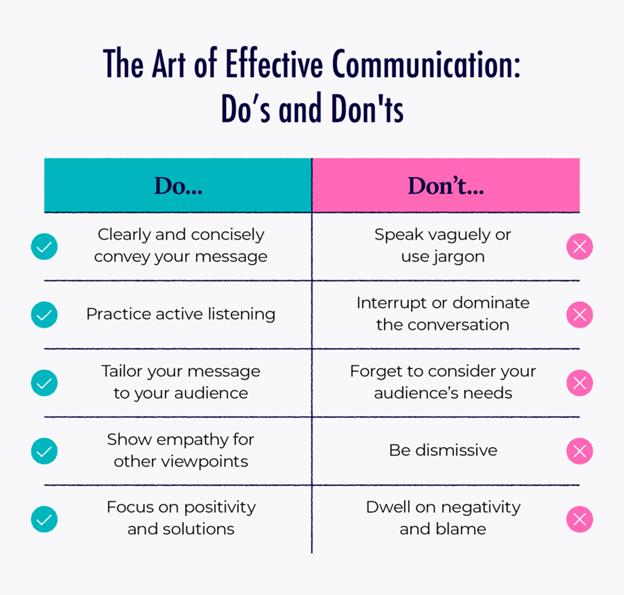
“To build strong relationships through communication, focus on active listening, using “I” statements, asking open-ended questions, showing empathy, and creating dedicated check-in time, while also managing conflict with calm, respectful dialogue and validating your partner’s feelings. Key techniques involve truly hearing your partner, expressing your own needs without blame, and understanding their perspective to foster trust and deeper connection.
Core Communication Skills
- Active Listening: Give full attention, nod, paraphrase what you hear (“It sounds like you’re saying…”), and don’t interrupt to plan your response.
- “I” Statements: Express your feelings and needs (e.g., “I feel unheard when…”) rather than accusing (“You never…”).
- Open-Ended Questions: Ask “How was your day?” instead of “Did you have a good day?” to encourage deeper sharing.
- Empathy & Validation: Try to understand your partner’s perspective and acknowledge their feelings, even if you disagree.
- Nonverbal Cues: Be aware of your body language, tone, and eye contact to ensure they match your words.
Practical Exercises & Habits
- Regular Check-ins: Schedule brief, distraction-free times to talk about your days, feelings, or plans.
- Share Feelings & Needs: Practice using feeling words and clearly stating what you need, not just what you don’t like.
- Positive Affirmations: Share appreciation and admiration for your partner to build positivity.
- Assume Best Intentions: Start with the belief that your partner means well.
- Take Breaks: Call a timeout if conversations get too heated, agreeing to revisit the topic later. Google/AI
Communication is a clear thread in all relationships. Communication can make or break a connection. Let’s be intentional and determined to develop good communication skills and practice daily.
Conflict Resolution
We are change agents and problem solvers. As we seek God concerning relationship stuff, release and surrender all your cares to Jesus! Pray, study, learn, apply, let God reveal, then Heal so we can ascend.
Conflict resolution is the process, formal or informal, of settling disputes between parties by finding mutually agreeable, peaceful solutions that address underlying interests. It involves active communication, emotional regulation, and negotiation to resolve conflicts, improve relationships, and enhance productivity in both personal and professional environments.
Key Skills for Conflict Resolution
- Active Listening: Fully focusing on, understanding, and responding to the speaker, rather than just hearing them.
- Emotional Intelligence: Recognizing and managing your own emotions and understanding the emotions of others to avoid escalation.
- Communication: Clearly expressing thoughts without blaming, while staying open-minded
- Problem-Solving: Focusing on the root issue rather than focusing on the conflict itself, seeking win-win outcomes.
- Patience & Empathy: Understanding different perspectives and perspectives of others.
Steps in the Conflict Resolution Process
- Identify the Source: Define the core issue, not just the symptoms of the disagreement.
- Look Beyond the Incident: Understand the underlying interests and feelings rather than just the immediate argument.
- Request Solutions: Ask all parties to suggest ways to resolve the issue.
- Identify Supportive Solutions: Determine which solutions are acceptable to everyone involved.
- Agreement: Formalize the agreed-upon solution to ensure everyone understands their responsibilities.
Types of Conflict Resolution Approaches
- Negotiation: Direct, informal communication between parties to find a resolution.
- Mediation: A neutral third party helps facilitate a conversation to reach a solution.
- Arbitration: A third party makes a binding decision for the disputing parties.
- Collaboration: Working together to create a new solution that fully satisfies both sides.
Conflict Resolution in Relationships vs. Workplace
- Personal Relationships: Focuses on expressing feelings directly, avoiding blame, and maintaining connections (e.g., in couples or family).
- Workplace: Focuses on maintaining productivity, reducing turnover, and navigating professional disagreements (e.g., regarding roles, resources, or personalities).
Effective conflict resolution requires managing stress, listening actively, and, when necessary, involving neutral mediators to reach a constructive, lasting agreement.
What is the Solution?
Here are 3 examples of problem solving approaches or processes that I have learned from life experiences. I emphasize process (Google.com).
- The Nursing Process to Problem Solving
- The Social Work approach to Problem Solving
- The Biblical Approach to Problem Solving (My favorite)
Steps of the Nursing Process for Problem Solving (Instead of patient you can say person and use this as a general guide)
- Assessment: Data collection via patient interaction, physical exam, and medical records to identify the core issue. (GATHERING INFO)
- Diagnosis: Analyzing assessment data to identify the actual or potential health problem (nursing diagnosis). (IDENTIFY THE ISSUE)
- Planning: Setting measurable, achievable goals and developing specific, evidence-based, or innovative nursing interventions. (WHAT CAN YOU DO ABOUT IT)
- Implementation: Executing the planned actions to resolve the issue,, often involving collaboration with the healthcare team. (TAKE THE NEEDED STEPS)
- Evaluation: Reflecting on the results to determine if the patient’s condition improved and if the interventions were successful. (PAY ATTENTION TO THE OUTCOMES) AND MOST OF ALL “HAVE FUN”
The social work problem-solving process is a structured, 6-stage framework—often remembered as “EAT PIE”” (Engagement, Assessment, Planning, Intervention, Evaluation, Termination)—used to empower clients and address their needs. It involves building rapport, identifying issues, creating collaborative goals, implementing actions, assessing effectiveness, and ending the professional relationship.
Key Stages of the Problem-Solving Process
- Engagement: The initial step involves building a rapport, establishing trust, and initiating the professional relationship with the client to “start where the client is”.
- Assessment: Gathering, analyzing, and synthesizing information to understand the client’s situation, strengths, and challenges.
- Planning: Collaboratively defining goals and objectives, creating an action plan, and establishing a contract for services.
- Intervention (Implementation): Putting the planned strategies into action to address the client’s problems.
- Evaluation: Continuously monitoring and measuring the effectiveness of the intervention to ensure the desired outcomes are being achieved.
- Termination: Ending the professional relationship once goals are achieved or services are no longer needed, including reviewing progress and planning for the future.
A biblical problem-solving process involves centering the issue on God’s sovereignty, praying for wisdom, studying Scripture for principles, seeking counsel, and taking obedient action. It emphasizes addressing root causes rather than symptoms, focusing on character rather than just outcomes, and trusting God’s timing while maintaining a posture of gratitude and peace.
Key Components of Biblical Problem Solving
- Center on God: Begin by recognizing God’s sovereignty, using His character as the lens to interpret the problem, rather than relying on fear or immediate, selfish desires.
- Pray and Seek Wisdom: Commit the problem to the Lord through prayer, asking for “Aha” moments of guidance and discernment (James 1:5).
- Scriptural Alignment: Consult the Bible to find principles that apply to the situation, ensuring the solution aligns with God’s will rather than just human logic.
- Action and Obedience: Take action based on God’s direction, acting with courage even when faced with obstacles, similar to Moses at the Red Sea.
- Seek Wise Counsel: Involve mature believers or leaders to gain perspective and godly advice.
- Process-Oriented: Shift from only trying to solve the “people problem” to focusing on a God-honoring process that builds faith.
Steps for Conflict Resolution
- Initiate Contact: Take the first step to address the issue directly and privately.
- Confess and Forgive: Confess personal faults in the situation and offer forgiveness freely.
- Focus on the Issue: Focus on fixing the problem rather than placing blame or attacking personalities.
- Use “I” Statements: Communicate clearly and with grace, avoiding accusatory language.
Key Attitudes
- Patience: Trust in God’s timing.
- Gratitude: Maintain a thankful heart, even during trials.
- Courage: Face conflicts directly rather than avoiding them, which can lead to bitterness.
If you are here?
- Desiring healthy relationships
- In constant conflict, confused, in turmoil, and needing clarity
- Lonely and feeling defeated
- Single and hopeful or hopeless
- Married and miserable or happily married and at peace
- In unhealthy, abusive or toxic relationships
- Fearful of losing a relationship
- Feeling the need to control
- Wanting to maintain a great relationship
- Needing to dissolve a relationship
Study and meditate on the Word of God, Scripture is your key.
Relationship Stuff to Study in the Bible
Start studying this list and add to it as you like: (Faith + Action)
Proverbs 4:7 Wisdom is the principal thing; therefore get wisdom: and with all thy getting get understanding.
Love Prayer Serving
Mutual reciprocity Betrayal Lies and the truth
Honesty Forgiveness Bitterness
Deliverance Boundaries not walls Respect
Priorities Accountability Renewal
Acceptance Strength Patience
Grief Grace Discipline
Obedience Compatibility Reciprocity
Compassion Correction Pride
Peace Non-Negotiables Reconciliation Benediction
Let’s grow and prepare for current and future God ordained and prepared relationships; lets study and heal. Be encouraged!
